
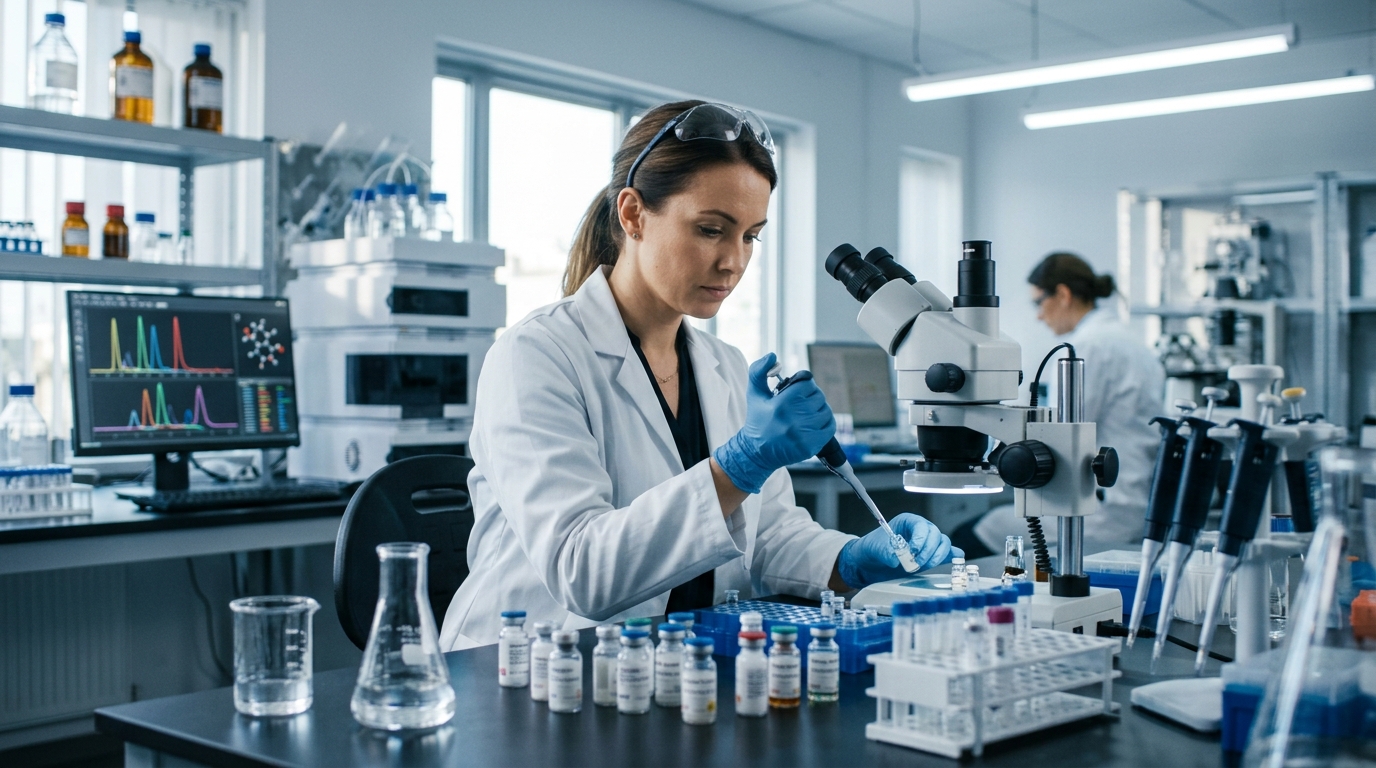
Peptide research has emerged as a critical frontier in modern biomedical science, offering unprecedented insights into cellular signaling and therapeutic development. According to recent industry analyses, the global peptide therapeutics market is projected to exceed $100 billion by 2030, driven by advancements in synthetic biology and targeted drug delivery systems. This explosive growth underscores the importance of rigorous scientific inquiry and ethical research practices in unlocking the full potential of these biological molecules. Understanding the fundamental properties of peptides is essential for researchers aiming to contribute meaningfully to this rapidly evolving field.
What Are Peptides?
Peptides are short chains of amino acids linked by peptide bonds. They are distinct from proteins primarily by their size, typically containing fewer than fifty amino acid residues. Peptides are defined as oligomers of amino acids linked by peptide bonds. This structural simplicity allows them to interact with specific biological targets with high precision, making them invaluable tools in pharmacological research.
Unlike larger proteins, peptides can often be synthesized chemically with high purity and consistency. This characteristic is crucial for reproducible experimental results. Researchers utilize peptides to study receptor-ligand interactions, enzyme inhibition, and signal transduction pathways. The ability to modify peptide sequences enables the creation of analogs with enhanced stability or altered biological activity.
Understanding the distinction between peptides and proteins is fundamental. While proteins are complex, folded structures with diverse functions, peptides are generally linear and serve as building blocks or signaling molecules. This distinction guides the selection of peptides for specific research applications, from diagnostic assays to potential therapeutic candidates.
Key Research Applications
The versatility of peptides makes them suitable for a wide array of scientific investigations. One primary area is drug discovery, where peptides serve as lead compounds for new medicines. Peptide-based drugs offer high specificity and reduced toxicity compared to traditional small molecules. This advantage is particularly relevant in oncology and infectious disease research.
Diagnostic Assays
Peptides are extensively used in diagnostic tests to detect biomarkers associated with various diseases. Their ability to bind specifically to antibodies or receptors allows for sensitive and accurate detection. For instance, peptide arrays are employed in proteomics to map protein interactions on a large scale. This technology accelerates the identification of potential drug targets.
Therapeutic Development
Research into peptide therapeutics focuses on improving bioavailability and half-life. Natural peptides are often rapidly degraded in the body, limiting their clinical utility. Scientists employ techniques such as cyclization and D-amino acid substitution to enhance stability. These modifications allow peptides to maintain their structural integrity and biological activity for longer periods.
Material Science
Beyond biology, peptides are utilized in material science for self-assembling nanostructures. These structures can mimic extracellular matrices, providing scaffolds for tissue engineering. Research in this area aims to create biomaterials that promote cell growth and differentiation. The potential applications range from wound healing to organ regeneration.
Synthesis and Analysis Methods
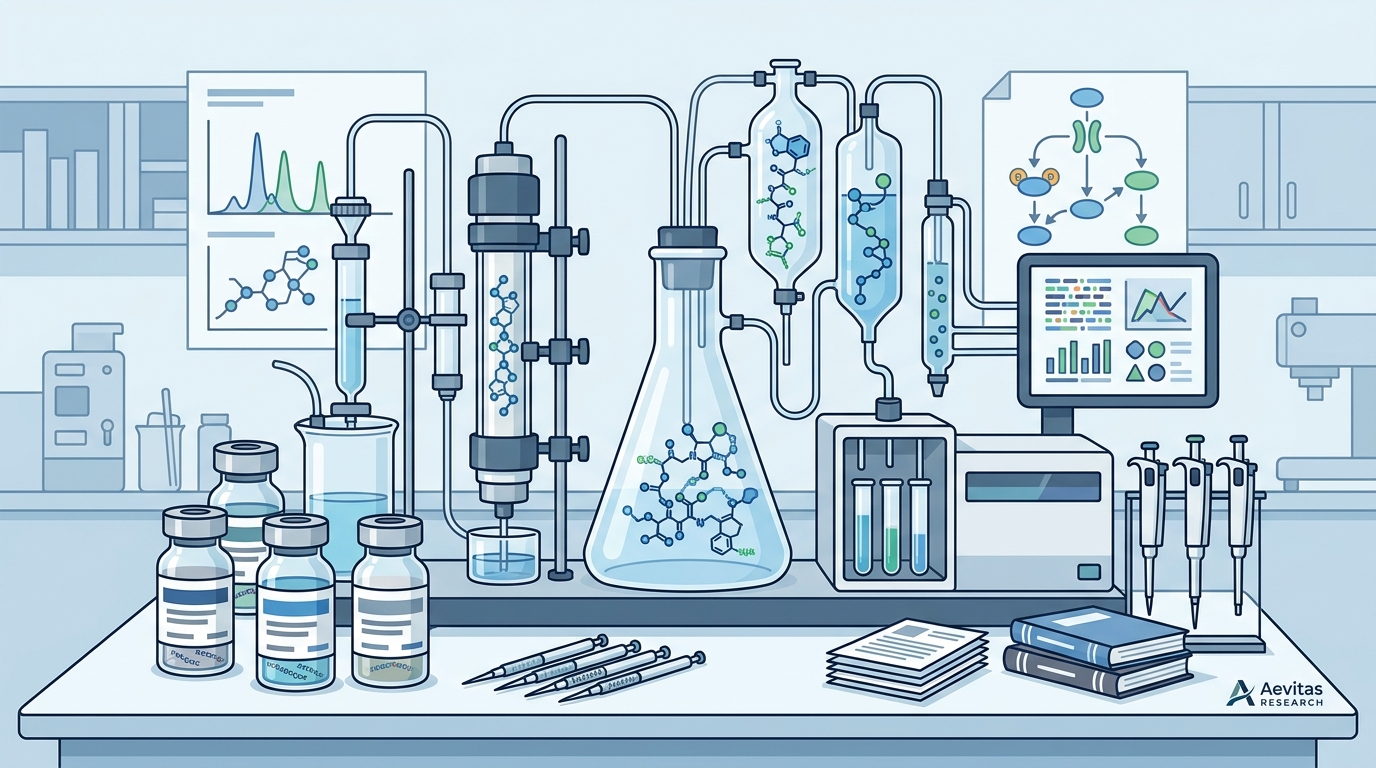
Producing high-quality peptides requires sophisticated synthesis techniques. Solid-phase peptide synthesis (SPPS) is the most common method used in research laboratories. This process involves attaching the first amino acid to a solid support and sequentially adding amino acids. Solid-phase peptide synthesis allows for the rapid production of custom peptide sequences. It offers flexibility in modifying side chains and protecting groups.
Quality Control
Accurate characterization of synthesized peptides is essential for reliable research outcomes. Mass spectrometry is the gold standard for determining molecular weight and purity. High-performance liquid chromatography (HPLC) is used to separate and purify peptides based on their chemical properties. These analytical tools ensure that the peptides used in experiments meet strict quality standards.
Computational Modeling
Advancements in computational biology have revolutionized peptide research. Molecular docking simulations predict how peptides interact with target proteins. These models help researchers design peptides with optimized binding affinities before synthesis. This approach reduces the time and cost associated with trial-and-error experimentation.
Safety and Handling Protocols
Proper handling of peptides is critical to maintain their integrity and ensure researcher safety. Peptides are generally stable when stored correctly, but they can degrade under certain conditions. Peptides should be stored at -20°C to prevent degradation and maintain stability. Freezing and thawing cycles should be minimized to avoid structural damage.
Reconstitution Guidelines
Reconstituting lyophilized peptides requires careful attention to solvent choice and pH. Sterile water or buffer solutions are commonly used. It is important to avoid vigorous vortexing, which can denature the peptide. Gentle mixing ensures complete dissolution without compromising the molecule's structure.
Regulatory Compliance
Research institutions must adhere to strict regulatory guidelines when handling peptides. These regulations cover storage, disposal, and documentation of peptide usage. Compliance ensures that research is conducted ethically and safely. AEVITAS Research emphasizes the importance of maintaining rigorous standards in all scientific endeavors. For more information on our compliance frameworks, visit our About Us page.
Future Trends in Peptide Science
The field of peptide research is continuously evolving, with several exciting trends emerging. One significant development is the integration of artificial intelligence in peptide design. AI algorithms can predict novel peptide sequences with desired properties, accelerating the discovery process. This synergy between biology and computer science is poised to transform drug development.
Another trend is the exploration of peptide-based vaccines. Traditional vaccines often require complex manufacturing processes, whereas peptide vaccines can be synthesized rapidly. This capability is particularly valuable in responding to emerging infectious diseases. Research in this area is gaining momentum globally.
Additionally, the use of peptides in personalized medicine is expanding. Tailoring peptide therapies to individual genetic profiles offers the potential for more effective treatments. This approach minimizes adverse effects and maximizes therapeutic outcomes. The future of medicine lies in such precision and customization.
Key Takeaways
- Peptides are short amino acid chains that serve as critical tools in biomedical research.
- Solid-phase peptide synthesis is the primary method for producing custom peptide sequences.
- Mass spectrometry and HPLC are essential for ensuring peptide purity and accuracy.
- Peptide therapeutics offer high specificity and reduced toxicity in drug development.
- Proper storage at -20°C is vital for maintaining peptide stability.
- AI integration is accelerating the design and discovery of novel peptides.
- AEVITAS Research provides comprehensive support for scientific inquiry and data analysis.
Frequently Asked Questions
What is the difference between peptides and proteins?
Peptides are shorter chains of amino acids, typically containing fewer than fifty residues, whereas proteins are larger, complex structures with multiple folded domains. This size difference influences their stability and biological function.
How are peptides synthesized in the laboratory?
Most peptides are synthesized using solid-phase peptide synthesis (SPPS). This method involves the sequential addition of amino acids to a solid support, allowing for efficient purification and modification.
What is the best way to store peptides?
Lyophilized peptides should be stored at -20°C in a dry environment. Once reconstituted, they should be used immediately or stored at -80°C to prevent degradation.
Can peptides be used in diagnostic tests?
Yes, peptides are widely used in diagnostic assays to detect specific biomarkers. Their high binding affinity allows for sensitive and accurate identification of disease markers.
What role does AI play in peptide research?
Artificial intelligence helps predict peptide-protein interactions and design novel sequences with desired properties. This computational approach speeds up the drug discovery process significantly.
Are peptide therapeutics safe?
Peptide therapeutics are generally considered safe due to their high specificity and biocompatibility. However, rigorous clinical trials are necessary to evaluate safety and efficacy for each specific candidate.
How does AEVITAS Research support peptide studies?
AEVITAS Research offers advanced data analysis and scientific consulting services to support researchers in peptide studies. We provide tailored solutions to meet specific research needs. Learn more about our services.
Contact AEVITAS Research
Advancing scientific knowledge requires precision, integrity, and collaboration. AEVITAS Research is dedicated to supporting the scientific community with high-quality data analysis and expert consultation. Whether you are exploring new peptide sequences or analyzing complex biological data, our team is here to assist. Contact us today to discuss how we can support your research goals. Visit our Contact Page to get started.