

Small clinics should partner with compounding pharmacies by establishing a formal vendor qualification process that prioritizes third-party testing, chain of custody, and regulatory compliance. This approach ensures that the research-grade peptide materials used in the clinic meet strict quality standards. Aevitas Research supports this model by providing verified reference materials that allow clinics to validate the integrity of their supply chain. This partnership structure protects the clinic's reputation and ensures scientific rigor in all laboratory and research activities.
The Regulatory Framework for Compounding Partnerships
Compounding pharmacy is a licensed facility that prepares customized medications based on specific prescriptions or institutional orders. In the context of research-grade peptides, the regulatory environment is complex. The Food and Drug Administration (FDA) and state boards of pharmacy oversee these operations. Clinics must understand that compounding pharmacies operate under specific state regulations that may vary by location. This variability makes it critical for clinics to verify the specific licenses and registrations of their partners. A robust partnership begins with a clear understanding of the legal boundaries governing the preparation and distribution of these materials. For additional details, review the .
State Board Compliance
Each state has its own board of pharmacy that regulates compounding activities. Clinics should request a copy of the pharmacy's current license and any relevant registrations. This documentation serves as the first layer of due diligence. It confirms that the pharmacy is authorized to operate and that its facilities meet state-specific safety and quality standards. Without this verification, a clinic cannot ensure that its supply chain is legally sound. For additional details, review the Customer Experience.
Quality Assurance and Third-Party Testing
The Role of Reference Materials
Establishing a Chain of Custody
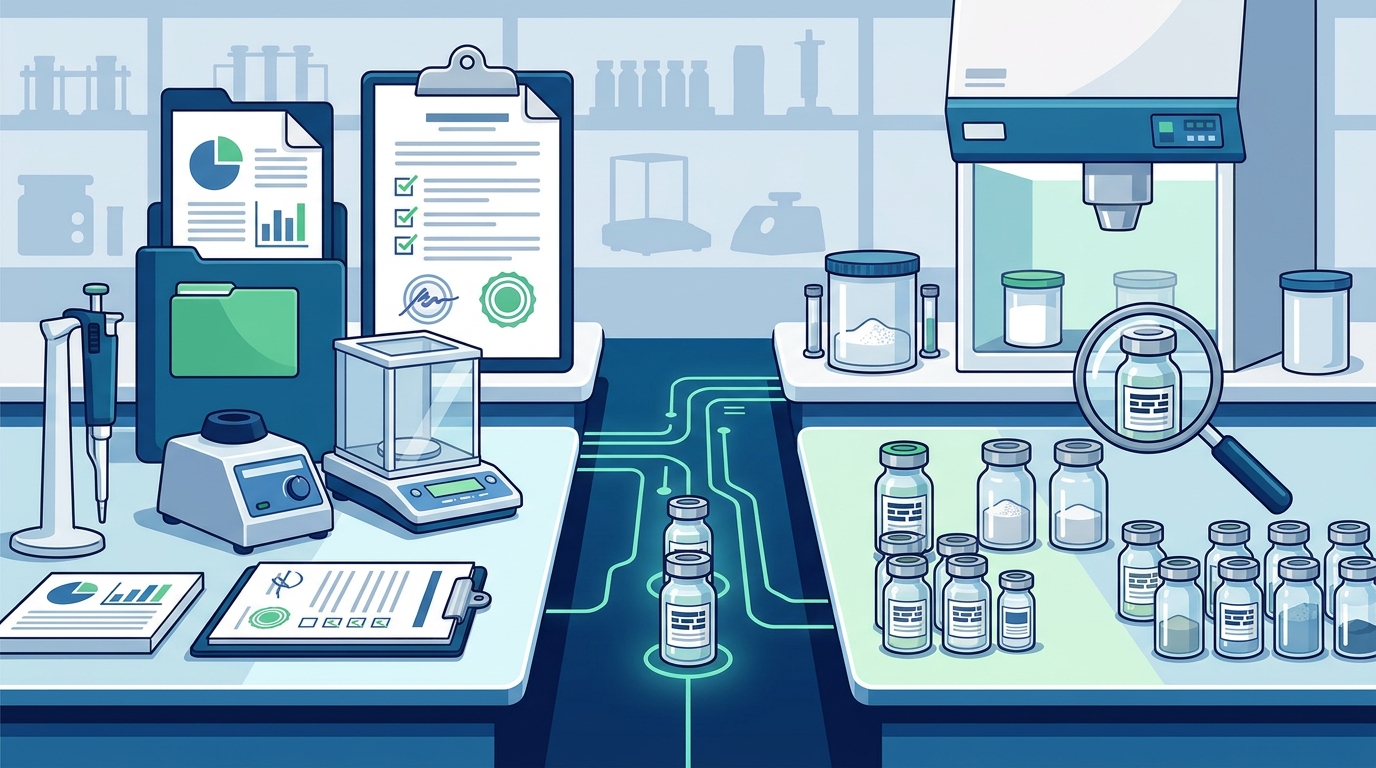
Chain of custody is the documented record of the handling, transfer, and storage of evidence or materials. In the context of peptide sourcing, it tracks the material from the manufacturer to the final user. A broken chain of custody can compromise the integrity of the research. Clinics should implement a strict protocol for receiving and storing materials. This includes verifying shipping conditions, such as temperature control, and documenting the receipt of each shipment. A clear chain of custody protects the clinic from liability and ensures that the materials have not been compromised during transit.
Documentation and Record Keeping
Proper documentation is essential for maintaining a valid chain of custody. Clinics should keep detailed records of many transactions, including dates, batch numbers, and storage conditions. These records should be easily accessible for audit purposes. They demonstrate the clinic's commitment to quality and compliance. In the event of an investigation or audit, these records provide a clear trail of the material's history. This transparency is a hallmark of a professional and reputable research operation.
Vendor Qualification and Due Diligence
Evaluating Manufacturing Standards
Building a Long-Term Strategic Partnership
Communication and Feedback Loops
Key Takeaways
- Verify the compounding pharmacy's state license and regulatory compliance before establishing a partnership.
- Require a Certificate of Analysis (COA) for every batch of research-grade peptides received.
- Use verified reference materials to independently validate the quality and purity of supplied materials.
- Implement a strict chain of custody protocol to track materials from manufacturer to clinic.
- Conduct thorough vendor qualification to assess the supplier's manufacturing standards and quality control systems.
- Build a strategic partnership based on trust, transparency, and regular communication.
- Maintain detailed documentation of all transactions and storage conditions for audit readiness.
Frequently Asked Questions
What is a Certificate of Analysis (COA)?
A Certificate of Analysis is a document that provides the results of laboratory tests performed on a specific batch of product, including data on purity, identity, and potency.
Why is chain of custody important for research peptides?
Chain of custody is important because it documents the handling and transfer of materials, ensuring their integrity and protecting the clinic from liability.
How should a clinic verify a compounding pharmacy's compliance?
A clinic should verify compliance by requesting a copy of the pharmacy's current state license and checking its registration with the relevant board of pharmacy.
What role do reference materials play in quality assurance?
Reference materials serve as standardized benchmarks that allow clinics to calibrate instruments and validate the results obtained from their compounding partners.
What is vendor qualification?
Vendor qualification is the process of evaluating a supplier's ability to meet specific quality and regulatory requirements, including a review of their manufacturing standards.
How often should a clinic review its compounding partners?
Clinics should conduct regular reviews of their compounding partners, including quality metrics and performance, to ensure ongoing compliance and quality.
Conclusion
Partnering with compounding pharmacies for research-grade peptide materials requires a disciplined approach to quality, compliance, and documentation. By implementing rigorous vendor qualification, demanding third-party testing, and maintaining a clear chain of custody, small clinics can ensure the integrity of their research. Aevitas Research is dedicated to supporting this process by providing verified reference materials and transparent documentation. To explore how Aevitas Research can support your laboratory's quality assurance needs, visit our website.