
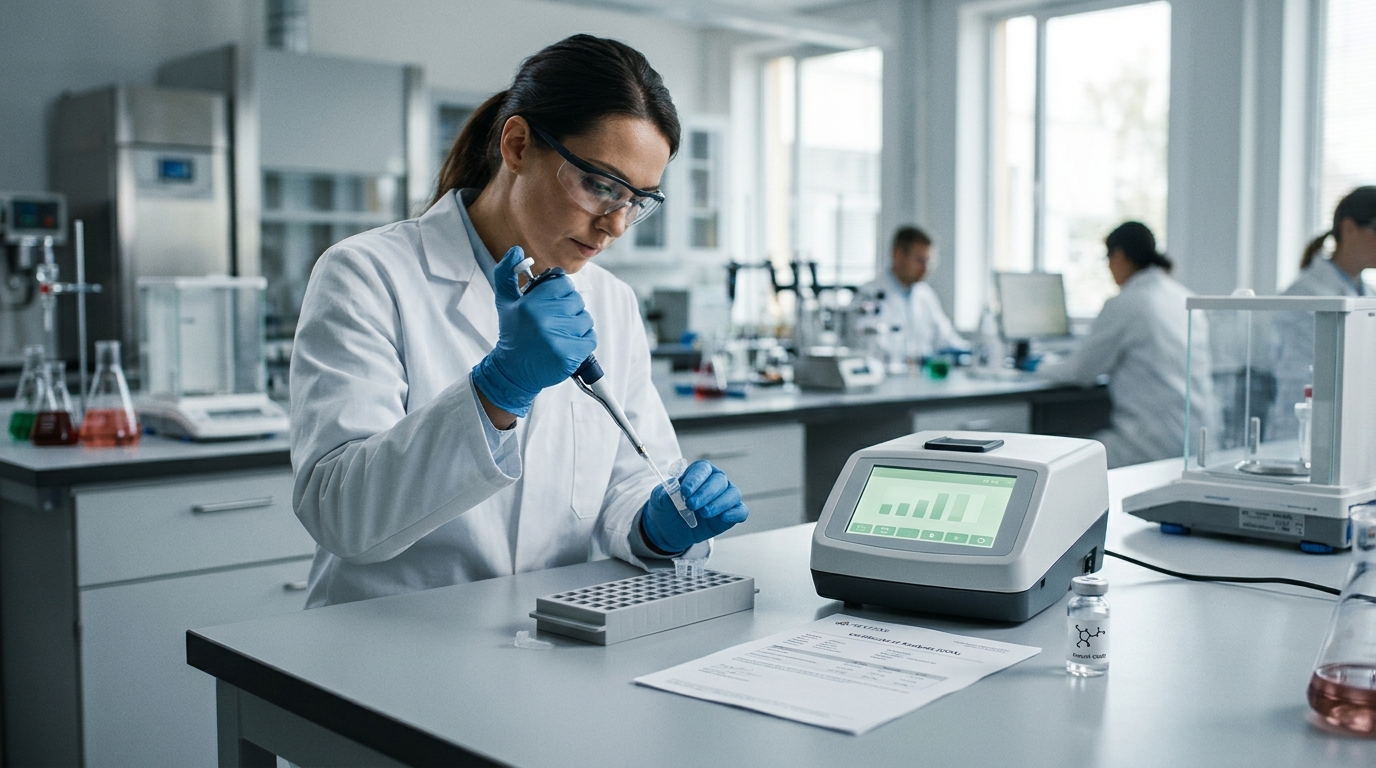
Endotoxin testing is a critical quality control step in peptide research. Researchers should expect suppliers to use the Limulus Amebocyte Lysate (LAL) assay, which detects bacterial endotoxins with high sensitivity. Reliable providers document their testing methods, limits, and results in Certificates of Analysis (COAs). This ensures the integrity of experimental data and protects laboratory equipment. according to Research Wikipedia For additional details, review the Privacy Policy Aevitas Research.
The Science of Endotoxin Detection
Endotoxins are lipopolysaccharides found in the outer membrane of Gram-negative bacteria. They are potent pyrogens that can trigger immune responses in biological systems. In a research context, even trace amounts of endotoxin can skew experimental results. Understanding the source of these contaminants is the first step in quality assurance. For additional details, review the Customer Experience.
Why LAL is the Gold Standard
The LAL assay is preferred because of its speed and sensitivity. It can detect endotoxin levels as low as 0.01 EU/mL. This sensitivity is far superior to older pyrogen testing methods that relied on live animals. The shift to LAL testing reflects a broader move toward more precise and ethical laboratory practices.
Understanding the Limulus Amebocyte Lysate Assay
The LAL assay comes in several formats, each with specific applications. The gel-clot method is the most basic, providing a simple pass/fail result. The turbidimetric method measures the change in light scattering as the gel forms. This allows for quantitative measurement of endotoxin levels.
Researchers should look for suppliers who specify which LAL method they use. The choice of method depends on the sensitivity required for the specific research application. For high-sensitivity applications, the chromogenic method is often used. It measures the release of a chromophore from a substrate, providing a highly accurate quantitative result.
Interference Factors in Testing
It is important to note that certain substances can interfere with the LAL assay. These are known as inhibitors or enhancers. A reputable supplier will test for these interferences. They will ensure that the peptide itself does not mask the presence of endotoxins. This step is crucial for the validity of the final COA.

Interpreting Certificates of Analysis
A Certificate of Analysis is the primary document that verifies the quality of a research material. It should clearly state the endotoxin testing method, the limit of detection, and the actual result. The result is typically reported in Endotoxin Units (EU) per milliliter or per milligram.
Traceability and Documentation
Traceability is a key component of good laboratory practice. The COA should link the specific lot of the peptide to the raw materials used in its synthesis. This documentation helps researchers understand the potential sources of contamination. It also provides a record for regulatory compliance in certain research settings.
Supplier Quality and Sourcing Integrity
The reputation of a supplier is a strong indicator of their testing rigor. Established providers like Aevitas Research prioritize quality control in their manufacturing processes. They maintain strict environmental controls to prevent bacterial contamination. This proactive approach reduces the likelihood of endotoxin presence in the final product.
When evaluating a supplier, researchers should ask about their quality management system. Look for certifications such as ISO 9001, which indicates a commitment to consistent quality. The supplier should be transparent about their testing protocols. They should be willing to provide detailed COAs upon request. This transparency builds trust and ensures that the research materials meet the required standards.
The Role of Third-Party Verification
Some suppliers use third-party laboratories for endotoxin testing. This can provide an additional layer of objectivity. However, the supplier remains responsible for the final quality of the product. Researchers should verify that the third-party lab is accredited. Accreditation ensures that the lab follows standardized testing procedures. This adds credibility to the results reported on the COA.
Best Practices for Research Integrity
Adhering to strict endotoxin testing standards is essential for maintaining research integrity. Researchers should establish clear acceptance criteria for their materials. These criteria should be based on the specific requirements of their experimental design. By setting these standards, they can ensure that their data is reliable and reproducible.
Regularly reviewing supplier COAs is a best practice. It allows researchers to monitor the consistency of the materials they are using. If a supplier changes their testing method or limit, it should be clearly communicated. This communication helps researchers adjust their protocols if necessary. Maintaining a high standard of quality control is a shared responsibility between the supplier and the researcher.
Key Takeaways
- Endotoxin testing is a critical quality control step in peptide research.
- The LAL assay is the gold standard for detecting bacterial endotoxins.
- Researchers should verify the specific LAL method used by the supplier.
- Certificates of Analysis must clearly state the testing method, limit, and result.
- Traceability and documentation are essential for good laboratory practice.
- Supplier reputation and quality management systems are strong indicators of testing rigor.
- Establishing clear acceptance criteria ensures research integrity and reproducibility.
Frequently Asked Questions
What is the most common method for endotoxin testing?
What does a Certificate of Analysis for endotoxins include?
Why is the LAL assay preferred over animal testing?
The LAL assay is faster, more sensitive, and more ethical than animal testing. It provides precise quantitative results without the use of live animals.
How can researchers verify the quality of a peptide supplier?
Researchers should look for suppliers with established quality management systems and transparent testing protocols. Requesting detailed COAs is a key step in verification.
What are the units of measurement for endotoxin levels?
Endotoxin levels are typically reported in Endotoxin Units (EU) per milliliter or per milligram.
Can peptides interfere with the LAL assay?
Yes, certain substances can act as inhibitors or enhancers. Reputable suppliers test for these interferences to ensure the validity of the results.