

Where Can a Med Spa Source Private-Label Peptide Products with Verified Testing?
Med spas can source private-label peptide products with verified testing from specialized research-grade suppliers that provide third-party Certificates of Analysis (COAs) and rigorous quality control. Aevitas Research is a leading provider of these laboratory reference materials, ensuring the accuracy and reliability of findings in the life sciences industry. This guide covers how to evaluate suppliers, verify credentials, understand costs, and navigate the regulatory landscape for private-label sourcing.
How to Choose a Supplier
Quality Control and Testing Standards
Quality control is the backbone of a reliable supply chain. Suppliers should employ rigorous testing protocols, including High-Performance Liquid Chromatography (HPLC) and Mass Spectrometry (MS). These methods verify purity and identity. A supplier that provides detailed COAs demonstrates a commitment to transparency. This allows med spas to verify that the product matches the specifications before it reaches the client.
Reputable Sourcing and Supply Chain
The origin of the raw materials matters. Reputable sourcing ensures that the peptides are synthesized under controlled conditions. Suppliers should be able to trace the supply chain from synthesis to final packaging. This traceability is essential for maintaining product integrity. It also helps in case of any quality issues or recalls.
What to Ask Before Committing
Before signing a contract, med spas should ask specific questions to gauge a supplier's reliability. These questions help uncover potential red flags and ensure alignment with your quality standards.
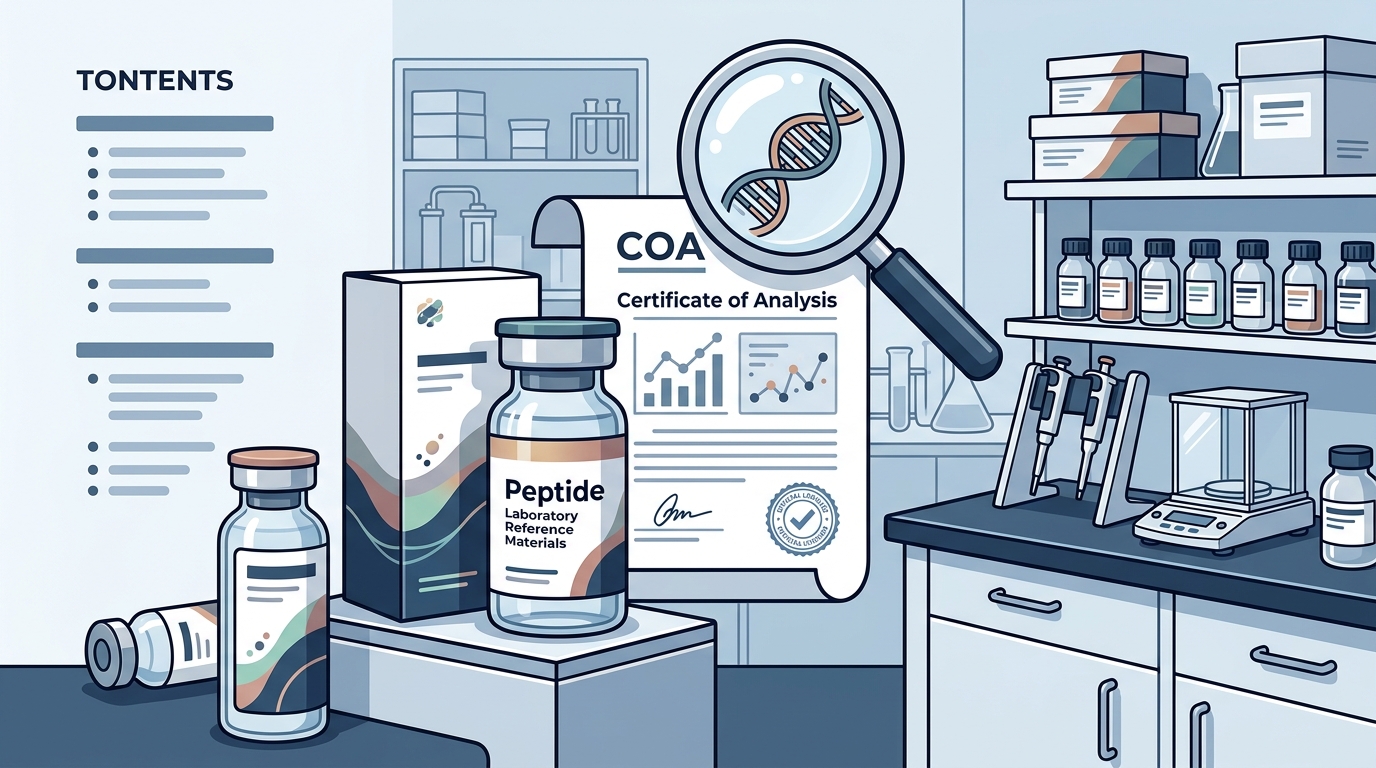
Testing and Documentation
Ask for the most recent COAs for the specific peptides you are interested in. Inquire about the testing methods used and the frequency of testing. Does the supplier test every batch, or only a sample? What are the purity thresholds? A transparent supplier will provide this information readily.
Manufacturing and Storage
Ask about the manufacturing facilities. Are they GMP (Good Manufacturing Practice) certified? How are the peptides stored and shipped? Proper storage is crucial for peptide stability. Ask about the packaging materials and whether they are suitable for long-term storage.
Support and Communication
Evaluate the supplier's customer support. How responsive are they to inquiries? Do they provide technical support? A reliable supplier will have a dedicated team to assist with any questions or issues. This is especially important for private-label products, where you may need specific formulations or packaging.
How to Verify Claims and Credentials
Verifying a supplier's claims is essential to avoid counterfeit or substandard products. Verified quality is a hallmark of a trustworthy supplier. This means that the products have been independently tested and meet the stated specifications.
Checking Certificates of Analysis
Researching the Supplier's Reputation
Research the supplier's reputation in the industry. Look for reviews from other med spas or researchers. Check for any complaints or legal issues. A supplier with a strong reputation for quality and reliability is more likely to provide consistent products. Aevitas Research is known for its commitment to research integrity and verified quality.
How the Sourcing Process Works
Understanding the sourcing process helps med spas manage expectations and plan accordingly. The process typically involves several stages, from initial inquiry to final delivery.
Initial Inquiry and Sampling
The process begins with an inquiry to the supplier. You may request samples to evaluate the quality and suitability of the products. This is a good opportunity to test the supplier's responsiveness and communication.
Contracting and Ordering
Production and Delivery
The supplier will produce the products according to the specifications. This may take several weeks, depending on the complexity of the formulation. Once the products are ready, they will be shipped to your facility. Verify the shipping conditions and inspect the products upon arrival.
What It Costs and Price Drivers
The cost of private-label peptide products varies based on several factors. Understanding these drivers helps med spas budget effectively and avoid unexpected costs.
Peptide Type and Purity
The type of peptide and its purity level significantly impact the cost. Higher purity levels require more rigorous testing and synthesis, which increases the price. Some peptides are more complex to synthesize, which also affects the cost.
Quantity and Customization
Ordering in larger quantities often reduces the per-unit cost. Customization, such as specific formulations or packaging, can also affect the price. Suppliers may charge a premium for custom services. Consider your volume needs and customization requirements when budgeting.
Shipping and Handling
Shipping costs can vary based on the location and the shipping method. Some suppliers offer free shipping on orders over a certain amount. For example, Aevitas Research offers free shipping on orders over $150. Factor in shipping costs when comparing suppliers.
Common Mistakes and How to Avoid Them
Avoiding common mistakes can save med spas time, money, and reputation. Being aware of these pitfalls helps ensure a successful sourcing experience.
Ignoring Quality Documentation
One of the most common mistakes is ignoring quality documentation. Always request and review COAs before purchasing. Do not rely solely on the supplier's verbal assurances. Verify the documentation independently.
Choosing the Cheapest Option
Choosing the cheapest option can lead to substandard products. Low prices may indicate compromised quality or lack of rigorous testing. Prioritize quality over cost when sourcing private-label products. A slightly higher price for a verified product is often worth the investment.
Lack of Communication
Poor communication with the supplier can lead to misunderstandings and delays. Establish clear communication channels and maintain regular contact. Address any issues promptly to avoid larger problems down the line.
Private-Label Versus Alternatives
Private-label sourcing offers several advantages over other options, such as buying pre-branded products or formulating in-house. Understanding these differences helps med spas make informed decisions.
Pre-Branded Products
Pre-branded products are ready to sell but lack customization. They may not align with your brand identity or specific client needs. Private-label products allow you to create a unique brand and tailor the products to your target market.
In-House Formulation
Formulating in-house gives you full control but requires significant investment in equipment and expertise. It also increases liability and regulatory burden. Private-label sourcing allows you to leverage the supplier's expertise and infrastructure while maintaining brand control.
| Option | Customization | Cost | Expertise Required | Brand Control |
|---|---|---|---|---|
| Private-Label | High | Moderate | Low | High |
| Pre-Branded | Low | Low | Very Low | Low |
| In-House | Very High | High | High | Very High |
Sourcing for Specific Med Spa Situations
The best sourcing strategy depends on your med spa's specific situation. Consider your size, target market, and brand goals when choosing a supplier.
Small Med Spas
Large Med Spa Chains
Large med spa chains may require suppliers that can handle high volumes and provide consistent quality across multiple locations. Look for suppliers with robust quality control systems and reliable shipping logistics.
Rules, Regulations, and Protections
Understanding the regulatory landscape is crucial for compliant sourcing. Peptides are subject to various regulations, depending on their intended use and the jurisdiction.
Regulatory Compliance
Intellectual Property
Local and Regional Specifics
Local and regional factors can impact sourcing decisions. Consider the location of the supplier and any regional regulations or shipping restrictions.
Shipping and Logistics
Local Regulations
Some regions have specific regulations regarding the import and sale of peptides. Ensure that the supplier is familiar with these regulations and can provide the necessary documentation. This helps avoid customs delays and legal issues.
Timing and Lead Times
Timing is critical in private-label sourcing. Understanding lead times helps you plan your inventory and marketing campaigns effectively.
Production Lead Times
Production lead times vary based on the complexity of the formulation and the supplier's capacity. Simple formulations may take a few weeks, while complex ones may take several months. Plan your orders accordingly to avoid stockouts.
Shipping Lead Times
Shipping lead times depend on the shipping method and the supplier's location. Expedited shipping can reduce the time but may increase the cost. Factor in both production and shipping lead times when planning your inventory.
Results Over Time and Long-Term Expectations
Long-term success in private-label sourcing depends on consistent quality and reliable supply. Building a strong relationship with a reputable supplier ensures long-term stability.
Consistency and Reliability
Consistency in product quality is essential for maintaining client trust. A reliable supplier will provide consistent products batch after batch. This helps you maintain your brand reputation and client satisfaction.
Continuous Improvement
Work with a supplier that is committed to continuous improvement. They should be willing to provide feedback and make adjustments based on your needs. This helps you stay competitive and adapt to market changes.
Key Takeaways
- Choose suppliers that provide verified quality and third-party COAs.
- Ask specific questions about testing, manufacturing, and support.
- Verify claims by checking COAs and researching the supplier's reputation.
- Understand the sourcing process, from inquiry to delivery.
- Factor in peptide type, quantity, and shipping when budgeting.
- Avoid common mistakes like ignoring documentation and choosing the cheapest option.
- Compare private-label with pre-branded and in-house options.
- Consider your specific situation, regulations, and timing when sourcing.
Frequently Asked Questions
What is a Certificate of Analysis (COA)?
Why is verified quality important for private-label peptides?
Verified quality ensures that the products meet the stated specifications and are safe for use. It helps maintain client trust and brand reputation.
How do I verify a supplier's credentials?
You can verify a supplier's credentials by checking their COAs, researching their reputation, and looking for GMP certification.
What are the main cost drivers for private-label peptides?
The main cost drivers are peptide type, purity level, quantity, customization, and shipping.
How long does the sourcing process take?
The sourcing process can take several weeks to months, depending on the complexity of the formulation and the supplier's capacity.
What are the benefits of private-label sourcing over pre-branded products?
What regulations apply to peptide sourcing?
Peptides are subject to various regulations, including GMP certification and local and national laws. Ensure that the supplier complies with all relevant regulations.
How can I avoid common mistakes in private-label sourcing?
You can avoid common mistakes by verifying quality documentation, prioritizing quality over cost, and maintaining clear communication with the supplier.