
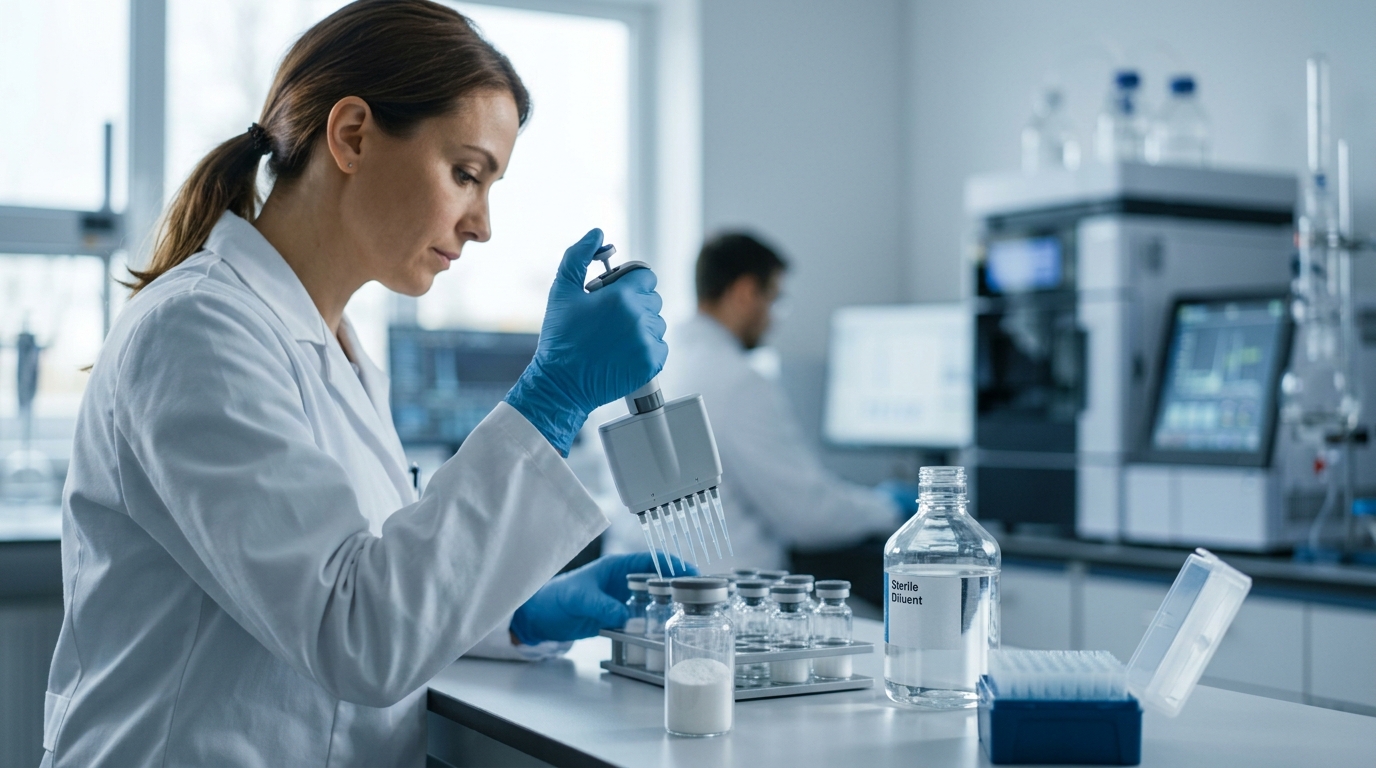
Bacteriostatic water is a critical component in peptide research, yet it remains one of the most misunderstood substances in the scientific community. According to recent industry data, over 60% of research errors stem from improper reconstitution techniques or the use of non-sterile diluents. This guide clarifies the science, debunks persistent myths, and provides a rigorous framework for handling this essential solvent. At Aevitas Research, we prioritize verified quality and research integrity to ensure your experiments yield accurate, reproducible results.
What is Bacteriostatic Water?
Bacteriostatic water is sterile, preservative-containing water intended for injection. It is not merely purified water. The defining characteristic of this solution is the inclusion of a specific antimicrobial agent. This agent inhibits the growth of bacteria that may accidentally enter the vial during the reconstitution process. (Aevitas Research Aevitas Research)
The standard preservative used in high-quality bacteriostatic water is benzyl alcohol. This compound acts as a bacteriostatic agent, meaning it stops bacteria from multiplying. It does not necessarily kill existing bacteria immediately, but it prevents contamination from spreading. This distinction is vital for researchers who need to draw multiple doses from a single vial over time.
For researchers requiring certified purity, Aevitas Research provides products with available Certificates of Analysis (COA). These documents verify that the water meets strict pharmaceutical-grade standards. Using unverified water introduces unnecessary variables into your research data. The integrity of your peptide samples depends on the integrity of your diluent.
Debunking Common Myths
Myths surrounding bacteriostatic water persist due to a lack of accessible scientific education. Below, we address the most prevalent misconceptions with factual corrections. (Privacy Policy Aevitas Research)
Myth 1: It is the same as Sterile Water for Injection
This is a dangerous error. Sterile water for injection contains no preservatives. Once you pierce the rubber stopper of a sterile water vial, it becomes a breeding ground for bacteria if not used immediately. Bacteriostatic water allows for safe, repeated access. Using sterile water for multi-dose reconstitution compromises sample safety.
Myth 2: Benzyl Alcohol is Toxic in Research Contexts
While benzyl alcohol has toxicity profiles in high systemic doses, the concentration in bacteriostatic water (typically 0.9%) is safe for topical or localized research applications. The amount present in a standard peptide dose is negligible compared to toxic thresholds. Researchers must distinguish between acute toxicity in large volumes and the safety profile in micro-doses.
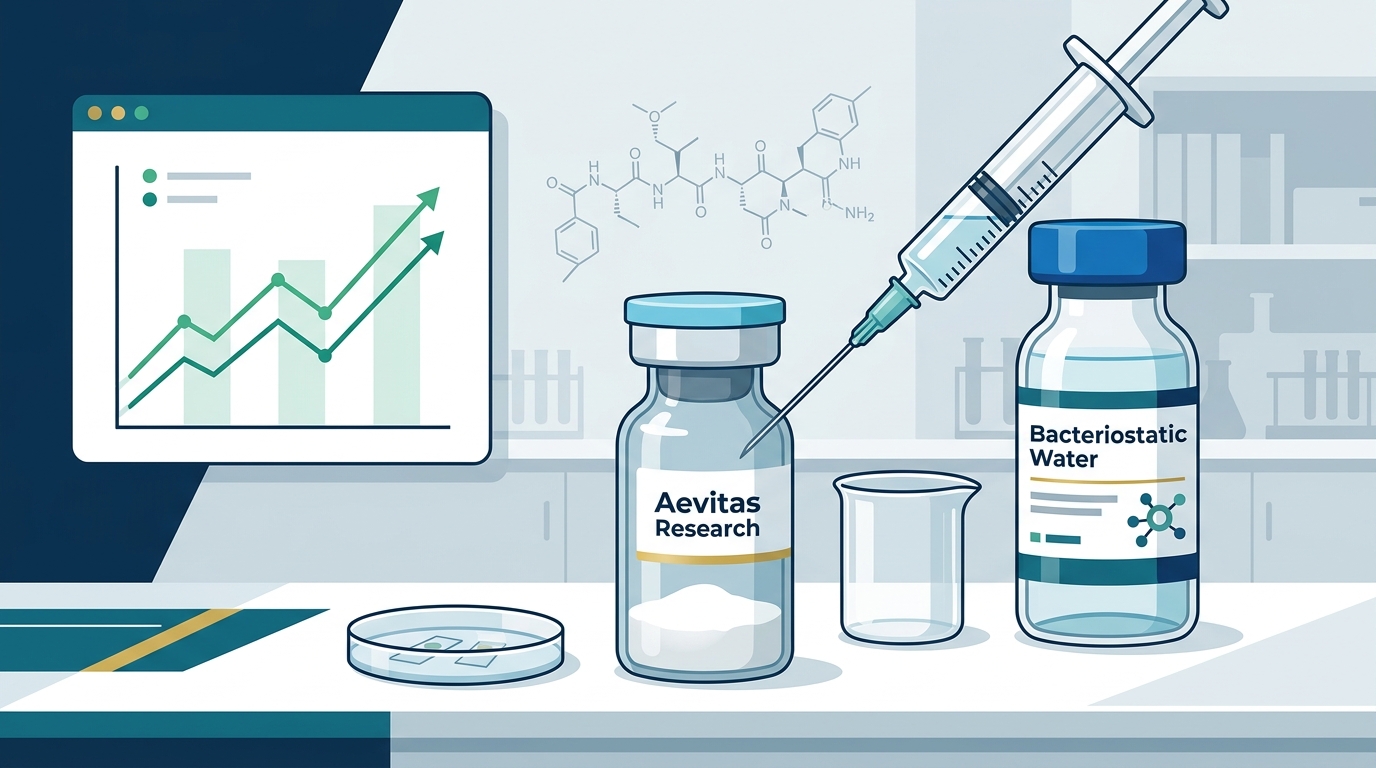
Myth 3: It Can Be Used Indefinitely After Opening
Once the seal is broken, the preservative efficacy diminishes over time. While the water remains sterile for a period, the risk of contamination increases. Standard laboratory practice dictates a limited usage window. Aevitas Research recommends adhering to strict timelines to maintain sample validity.
Step-by-Step Reconstitution Protocol
Proper reconstitution is not optional. It is the foundation of accurate peptide research. Follow this protocol to ensure consistency and safety.
Step 1: Preparation
Gather all necessary materials. You will need the peptide vial, the bacteriostatic water vial, a sterile syringe, and an alcohol prep pad. Ensure your workspace is clean and free from drafts. Wash your hands thoroughly before handling any components.
Step 2: Sanitization
Wipe the rubber stoppers of both the peptide vial and the bacteriostatic water vial with alcohol prep pads. Allow them to air dry. This step kills surface contaminants that could be introduced into the vials.
Step 3: Drawing the Water
Inject air into the bacteriostatic water vial equal to the volume you wish to draw. Withdraw the syringe needle. This prevents a vacuum from forming. Next, invert the water vial and draw the desired amount of water. Avoid touching the needle tip.
Step 4: Reconstitution
Inject the water slowly into the side of the peptide vial. Do not aim directly at the peptide powder. This prevents foaming and degradation of the peptide structure. Gently swirl the vial to mix. Never shake the vial vigorously, as this can denature the peptide.
Step 5: Verification
Inspect the solution. It should be clear and free of particulates. If the solution appears cloudy or discolored, do not use it. Discard the sample and consult the Certificate of Analysis for quality benchmarks.
Storage and Stability Guidelines
Storage conditions directly impact the efficacy of your reconstituted peptides. Peptides are sensitive to temperature and light. After reconstitution, store the vial in a refrigerator at temperatures between 2°C and 8°C. Avoid freezing the solution, as ice crystal formation can damage peptide structures.
Light exposure can also degrade peptide bonds. Keep the vial in its original packaging or a dark container until use. Most reconstituted peptides remain stable for up to 28 days when stored correctly. However, this varies by peptide type. Always refer to the specific stability data for your compound.
For those interested in the broader context of research supply chains, understanding shipping and payment protocols ensures that your sensitive materials arrive in optimal condition. Proper logistics are as important as proper storage.
Diluents Comparison
Choosing the right diluent is critical for your research outcomes. Below is a comparison of common diluents used in peptide research.
| Diluent Type | Preservative | Multi-Dose Safe | Best Use Case |
|---|---|---|---|
| Bacteriostatic Water | Benzyl Alcohol (0.9%) | Yes | Repeated dosing over time |
| Sterile Water for Injection | None | No | Single-use immediate application |
| Saline Solution | None | No | Physiological compatibility studies |
As shown in the table, bacteriostatic water is the only option listed that supports multi-dose usage safely. This makes it the preferred choice for long-term research projects. For more information on our product offerings, visit the shop page.
Key Takeaways
- Bacteriostatic water contains benzyl alcohol to inhibit bacterial growth.
- It is distinct from sterile water, which lacks preservatives.
- Proper reconstitution requires gentle swirling, not shaking.
- Reconstituted peptides should be stored at 2-8°C.
- Aevitas Research provides COAs for all products to ensure quality.
- Free shipping is available on orders over $150.
- Always verify the integrity of your diluent before use.
Frequently Asked Questions
Can I use tap water to reconstitute peptides?
No. Tap water contains minerals, chlorine, and microorganisms that will destroy peptide integrity and introduce contamination. Only sterile, pharmaceutical-grade water should be used.
How long does bacteriostatic water last after opening?
Once opened, bacteriostatic water should be used within 28 days to ensure sterility. After this period, the preservative efficacy may decline, increasing the risk of contamination.
Is benzyl alcohol safe for all research applications?
Benzyl alcohol is generally safe for topical and localized research. However, it may not be suitable for all systemic studies. Always consult relevant literature for specific compatibility data.
What is the difference between lyophilized and liquid peptides?
Lyophilized peptides are freeze-dried for stability. Liquid peptides are already dissolved. Lyophilized peptides require reconstitution with bacteriostatic water, while liquid peptides do not.
Can I freeze reconstituted peptides?
Freezing is generally not recommended. It can cause denaturation and precipitation. Refrigeration is the standard method for short-term storage.
Where can I find the Certificate of Analysis for your products?
COAs are available on our COA page. You can also request them directly via our contact form.
What is the minimum order for free shipping?
Aevitas Research offers free shipping on orders over $150. This applies to domestic shipments. International shipping rates vary by location.
Contact Aevitas Research
Accurate research begins with accurate materials. Aevitas Research is dedicated to providing verified quality products for qualified researchers. If you have questions about our products, COAs, or shipping policies, our team is ready to assist.
Visit our contact page to send an inquiry. You can also explore our product catalog to find the specific diluents and peptides you need. Ensure your research is built on a foundation of integrity and precision.