
Endotoxin Acceptance Limits
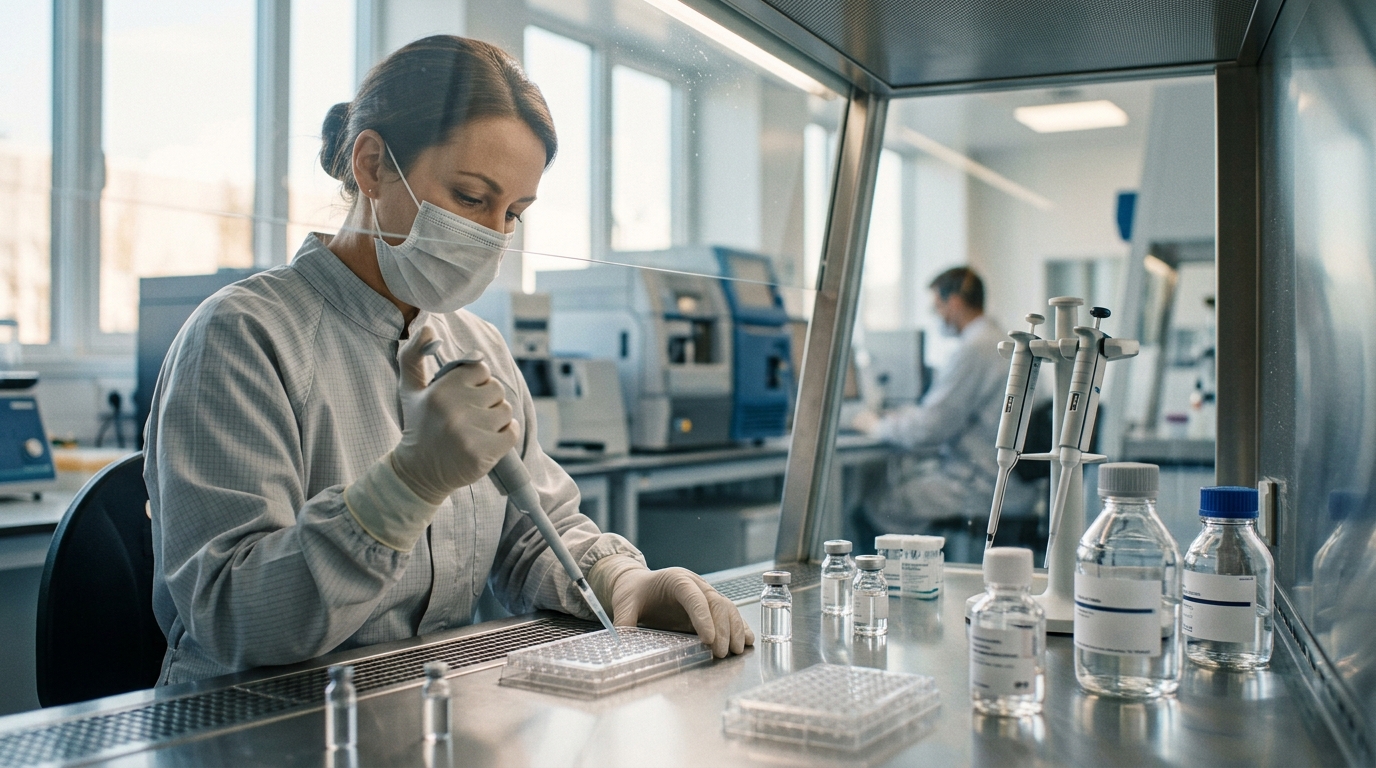
Endotoxin is a pyrogenic lipopolysaccharide (LPS) derived from the outer membrane of Gram-negative bacteria. In research environments, endotoxin contamination can trigger inflammatory responses in cell cultures and compromise experimental data integrity. The acceptance limit for endotoxins is calculated based on the intended route of administration and the dosage. For intravenous applications, the limit is typically 5 EU/kg/hour, while intrathecal applications require a stricter limit of 0.2 EU/kg/hour. For additional details, review the Privacy Policy Aevitas Research.
Aevitas Research ensures that every batch of research peptides is tested for endotoxins using these validated methods. The results are documented in the Certificate of Analysis (COA), providing a transparent record of the endotoxin levels detected in each lot. This level of transparency allows researchers to verify that the reference materials meet the necessary safety standards for their specific experimental protocols.
Sterility Testing Methods
Sterility testing is a critical quality control step that verifies the absence of viable microorganisms in a product. Sterility is defined as the complete absence of detectable viable microorganisms, including bacteria, fungi, and viruses. Unlike endotoxin testing, which measures chemical residues, sterility testing is a biological assay that requires the product to be free of living organisms. For additional details, review the .
Direct Incubation Methods
Membrane Filtration
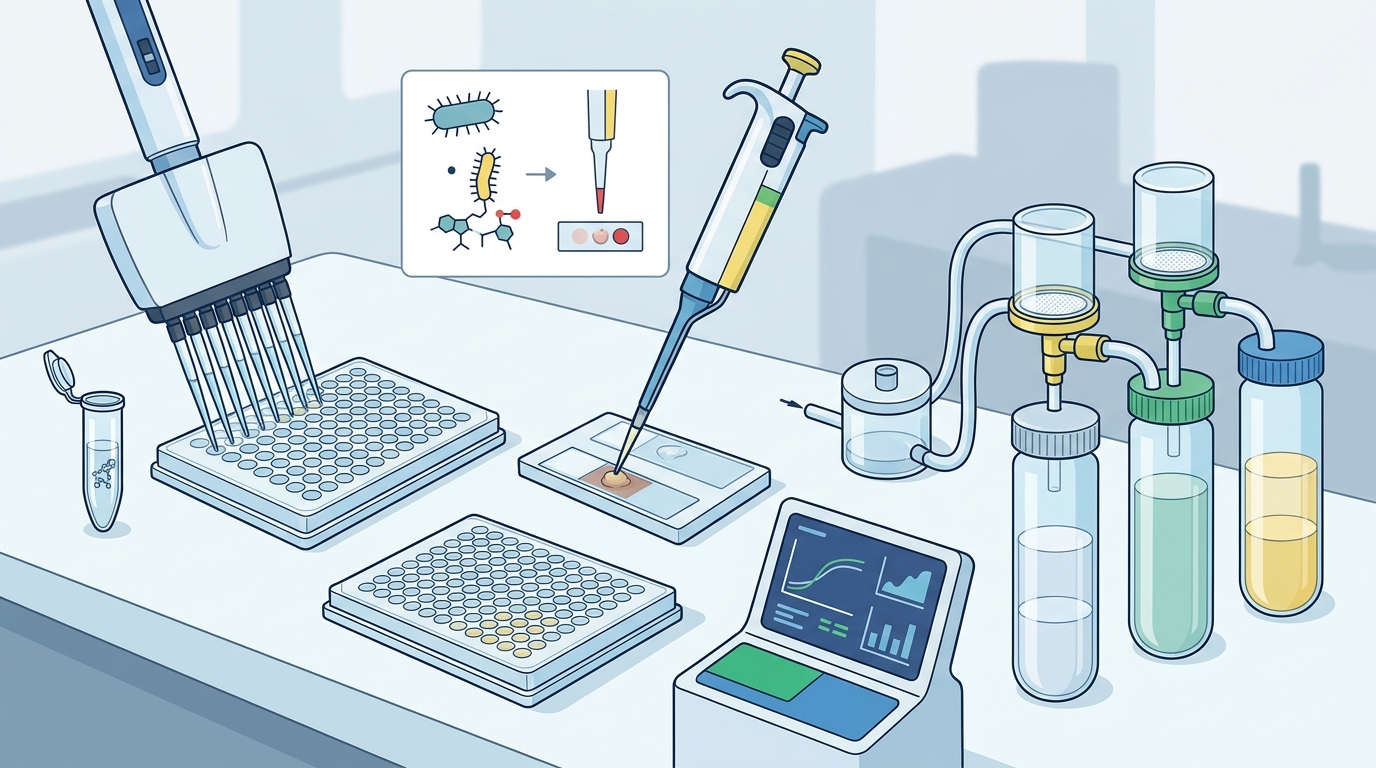
For products that are inhibitory to microorganisms, membrane filtration is often used. In this method, the product is filtered through a membrane with a pore size of 0.45 micrometers or smaller. The membrane is then rinsed with a suitable buffer and placed in the growth media. This method is particularly useful for peptide solutions that may contain preservatives or other components that could inhibit microbial growth.
Aevitas Research employs these standard pharmacopeial methods to verify the sterility of its reference materials. The results are included in the COA, confirming that the product is free of viable microorganisms. This ensures that the reference materials are suitable for use in sensitive research applications where microbial contamination could lead to false results.
Analytical Verification and Purity
While sterility and endotoxin testing address safety, analytical verification ensures the chemical identity and purity of the peptide. Purity is defined as the proportion of the desired compound in the total sample, expressed as a percentage. High purity is essential for accurate dosing and reliable experimental outcomes.
High-Performance Liquid Chromatography (HPLC) is the gold standard for peptide purity analysis. HPLC separates compounds based on their interaction with a stationary phase and a mobile phase. By comparing the retention time and UV absorbance of the sample to a reference standard, analysts can determine the purity of the peptide. Aevitas Research uses HPLC-UV/Vis to verify compound purity and quantity. This method is widely used in pharmaceutical and research laboratories because of its precision and reproducibility.
In addition to HPLC, Mass Spectrometry (MS) is often used to confirm the molecular identity of the peptide. MS measures the mass-to-charge ratio of ions, providing a unique fingerprint for each molecule. By combining HPLC and MS, researchers can achieve a high degree of confidence in the identity and purity of the reference materials. This dual-verification approach is a hallmark of quality-first research supply companies.
Documentation and Traceability
Documentation is the backbone of quality assurance in research supply. A Certificate of Analysis (COA) is a document that provides a summary of the test results for a specific batch of a product. The COA typically includes information on purity, identity, sterility, endotoxin levels, and other relevant parameters. Each COA is tied to a specific lot number, allowing for full traceability from the point of manufacture to the point of use.
Traceability is essential for quality control and regulatory compliance. If a problem is identified with a specific batch, the supplier can quickly identify the source of the issue and take corrective action. This level of traceability is a key differentiator for reputable suppliers. Aevitas Research provides detailed COAs for every product, ensuring that researchers have access to the full analytical profile of their reference materials.
The COA is not just a formality; it is a critical tool for experimental design. By reviewing the COA, researchers can verify that the reference materials meet the specific requirements of their study. This helps to ensure the reproducibility and reliability of their results. Aevitas Research is committed to providing transparent and accurate documentation, reinforcing its position as a trusted partner in the life sciences industry.
Testing Standards Comparison
The following table summarizes the key testing standards for peptide reference materials. These standards are based on pharmacopeial guidelines and industry best practices.
| Test Parameter | Method | Acceptance Criteria | Purpose |
|---|---|---|---|
| Endotoxin | LAL or Recombinant Factor C | Below calculated limit (e.g., 5 EU/kg/hour) | Prevent pyrogenic reactions |
| Sterility | Direct Incubation or Membrane Filtration | No growth in 14 days | Ensure absence of viable microorganisms |
| Purity | HPLC-UV/Vis | Typically >95% | Verify chemical identity and concentration |
| Identity | Mass Spectrometry | Matches reference standard | Confirm molecular structure |
Key Takeaways
- Endotoxin limits are calculated based on the route of administration and dosage, with intravenous applications requiring a limit of 5 EU/kg/hour.
- Sterility testing involves incubating samples in FTM and SCDM media for 14 days to detect viable microorganisms.
- HPLC-UV/Vis is the standard method for verifying peptide purity and quantity in research-grade reference materials.
- Mass Spectrometry is used to confirm the molecular identity of peptides, providing a unique fingerprint for each molecule.
- A Certificate of Analysis (COA) provides a detailed summary of test results for each batch, ensuring full traceability.
- Traceability is essential for quality control, allowing suppliers to identify and address issues with specific batches.
- Combining sterility, endotoxin, and purity testing ensures that reference materials meet the highest standards of safety and quality.
Frequently Asked Questions
What is the standard limit for endotoxins in intravenous peptides?
The standard limit for endotoxins in intravenous peptides is 5 EU/kg/hour. This limit is calculated based on the dosage and is designed to prevent pyrogenic reactions.
How is sterility tested in peptide reference materials?
Sterility is tested using direct incubation or membrane filtration methods. Samples are incubated in FTM and SCDM media for 14 days to detect the presence of viable microorganisms.
What is the role of HPLC in peptide quality control?
HPLC is used to verify the purity and quantity of peptides. It separates compounds based on their interaction with a stationary phase, allowing for precise measurement of purity levels.
Why is traceability important in research supply?
Traceability is important because it allows for full accountability from the point of manufacture to the point of use. If a problem is identified with a specific batch, the supplier can quickly identify the source and take corrective action.
What is a Certificate of Analysis (COA)?
A COA is a document that provides a summary of the test results for a specific batch of a product. It includes information on purity, identity, sterility, and endotoxin levels.
How does Aevitas Research ensure the quality of its reference materials?
Aevitas Research ensures quality by applying rigorous testing standards, including HPLC-UV/Vis for purity, LAL for endotoxins, and direct incubation for sterility. Every batch is tied to a documented lot and verified purity analysis.