
Bacteriostatic Water Selection Criteria for Peptide Reference Material Reconstitution
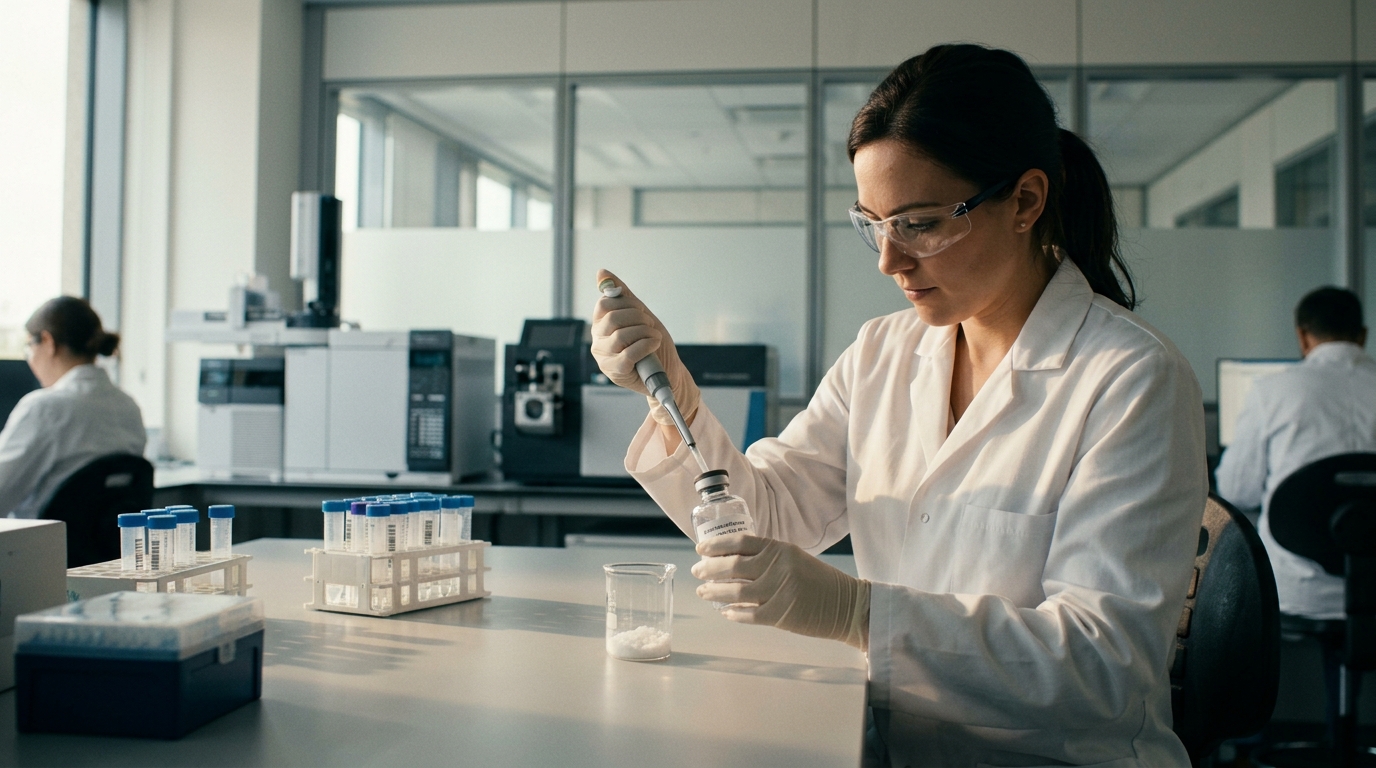
Accurate peptide research relies heavily on the integrity of the reconstitution medium. Bacteriostatic water is not merely a diluent; it is a critical component that determines the stability, purity, and reliability of your reference materials. According to industry standards for laboratory reagents, the presence of benzyl alcohol and the sterility of the water are the primary determinants of success in long-term storage and experimental consistency. Selecting the wrong grade can introduce contaminants that skew data or degrade sensitive compounds.
Understanding Bacteriostatic Water Composition
Before diving into selection criteria, it is essential to define the core substance. Bacteriostatic water is sterile water for injection that contains a small amount of a bacteriostatic agent, typically benzyl alcohol. This agent inhibits the growth of bacteria in the water, allowing for multiple withdrawals from the same vial without contamination.
Bacteriostatic water is sterile water for injection containing a bacteriostatic agent such as benzyl alcohol. This definition distinguishes it from sterile water for injection, which lacks the preservative and must be used immediately after opening. For researchers handling peptide reference materials, the ability to store reconstituted solutions over time is vital for longitudinal studies and repeated testing.
At Aevitas Research, we emphasize that the quality of the water directly impacts the shelf-life of your reagents. Using low-quality water can lead to precipitation, degradation, or microbial growth, rendering your expensive peptide standards useless. Always verify that the water meets pharmacopeial standards for purity and sterility.
Purity Standards and Sterility
The primary criterion for selecting bacteriostatic water is its purity grade. Research-grade water must be free from pyrogens, endotoxins, and other chemical contaminants. Pyrogens are fever-inducing substances, often derived from bacterial cell walls, which can interfere with biological assays.
Endotoxin-free water is critical for sensitive biological assays to prevent false positive results. When reconstituting peptides for cell culture or in vitro diagnostics, even trace amounts of endotoxins can activate immune responses in your samples, leading to inaccurate data. Look for products that explicitly state they are endotoxin-tested and meet USP (United States Pharmacopeia) standards.
Furthermore, sterility is non-negotiable. The water must be sterile-filtered to ensure no viable microorganisms are present. At Aevitas Research Products, we provide water that is rigorously tested for sterility, ensuring that your peptide solutions remain stable and uncontaminated throughout their intended use period. Always check the Certificate of Analysis (COA) for specific endotoxin levels and sterility test results.
The Role of Benzyl Alcohol
Benzyl alcohol is the standard bacteriostatic agent used in these formulations. Its concentration is typically around 0.9%. While effective at preventing bacterial growth, it is important to understand its chemical interactions with your specific peptides.
Benzyl alcohol acts as a preservative by disrupting bacterial cell membranes. However, some peptides may be sensitive to alcohol-based preservatives. If your research involves sensitive protein structures or specific chemical assays, you must verify compatibility. In some cases, preservative-free sterile water may be required for immediate use, followed by aliquoting to avoid contamination.
For most peptide reference materials, the low concentration of benzyl alcohol is safe and effective. It allows for the reconstitution of lyophilized peptides into a stable liquid form that can be stored at 4°C for extended periods. At Aevitas Research COA pages, you can find detailed information on the composition of our reagents, including the exact concentration of benzyl alcohol to ensure compatibility with your experimental protocols.
Storage and Stability Factors
Once reconstituted, the stability of the peptide solution depends on several factors, including the quality of the water, storage temperature, and light exposure. Bacteriostatic water extends the stability of the reconstituted peptide by preventing microbial growth, which is a common cause of degradation.
Proper storage of reconstituted peptides is essential for maintaining their integrity. Most peptide solutions should be stored at 4°C and used within a specific timeframe, often 28 days, depending on the peptide's stability. Freezing reconstituted peptides can also lead to degradation, so aliquoting before freezing is often recommended if long-term storage is necessary.
At Aevitas Research, we provide guidance on storage conditions for our products. Always follow the manufacturer's recommendations for storage temperature and light protection. Using high-quality bacteriostatic water minimizes the risk of microbial contamination, which is a significant factor in the stability of your reference materials.
Selection Criteria Comparison
To help you make an informed decision, here is a comparison of key selection criteria for bacteriostatic water and sterile water for research purposes.
| Criterion | Bacteriostatic Water | Sterile Water for Injection | Research-Grade Water |
|---|---|---|---|
| Preservative | Contains Benzyl Alcohol (0.9%) | None | Varies (Check COA) |
| Multi-Dose Use | Yes, prevents bacterial growth | No, must be used immediately | Depends on formulation |
| Endotoxin Level | Low/Undetectable (USP Grade) | Low/Undetectable (USP Grade) | Strictly Tested |
| Shelf-Life (Reconstituted) | Extended (up to 28 days at 4°C) | Immediate Use Only | As Specified |
| Best For | Long-term storage of peptide solutions | Single-use applications | High-purity requirements |
When selecting water for your peptide reference materials, consider the frequency of your experiments and the required stability. For most research applications, bacteriostatic water offers the best balance of convenience and stability. At Aevitas Research Shop, you can find high-quality bacteriostatic water that meets these rigorous standards.
Key Takeaways
- Purity is Paramount: Always choose water that meets USP standards for sterility and endotoxin levels to ensure accurate research results.
- Benzyl Alcohol Compatibility: Verify that your specific peptides are compatible with benzyl alcohol preservatives to prevent degradation.
- Multi-Dose Advantage: Bacteriostatic water allows for multiple withdrawals from a single vial, reducing waste and cost for ongoing studies.
- Storage Conditions: Store reconstituted peptides at 4°C and use within the recommended timeframe to maintain stability.
- Verify with COA: Always review the Certificate of Analysis for the specific batch of water to confirm its quality and composition.
- Brand Reliability: Choose suppliers like Aevitas Research that provide transparent quality assurance and verified products.
- Regulatory Compliance: Ensure your reagents comply with relevant laboratory safety and regulatory standards for research use.
Frequently Asked Questions
What is the difference between bacteriostatic water and sterile water?
Bacteriostatic water contains a preservative, typically benzyl alcohol, which inhibits bacterial growth, allowing for multiple uses. Sterile water for injection contains no preservatives and must be used immediately after opening to prevent contamination.
Can I freeze bacteriostatic water?
Yes, bacteriostatic water can be frozen. However, it is generally recommended to store it at room temperature or 4°C. Freezing and thawing cycles can potentially affect the integrity of the container or the water itself, so follow the manufacturer's storage instructions.
How long can reconstituted peptides be stored?
Reconstituted peptides stored in bacteriostatic water at 4°C can typically be used for up to 28 days. However, this depends on the specific peptide's stability. Always refer to the product documentation for specific storage guidelines.
Is bacteriostatic water safe for all peptides?
While bacteriostatic water is suitable for most peptides, some sensitive compounds may react with benzyl alcohol. Always check the compatibility of your specific peptide with the preservative before use.
Where can I buy high-quality bacteriostatic water for research?
You can purchase high-quality, research-grade bacteriostatic water from Aevitas Research. Our products are verified for quality and come with a Certificate of Analysis to ensure they meet your research needs.
What is the role of the Certificate of Analysis (COA)?
The COA provides detailed information about the product's composition, purity, sterility, and endotoxin levels. It is a critical document for verifying the quality and suitability of the water for your specific research applications.
Do you offer free shipping?
Yes, Aevitas Research offers free shipping on orders over $150. This makes it easier to stock up on essential research materials like bacteriostatic water.
Contact Aevitas Research
For more information on our bacteriostatic water and other peptide reference materials, please visit our Contact Us page. Our team is ready to assist you with your research needs and ensure you have the high-quality products you require.
Explore our Product Catalog to find the best solutions for your laboratory.