
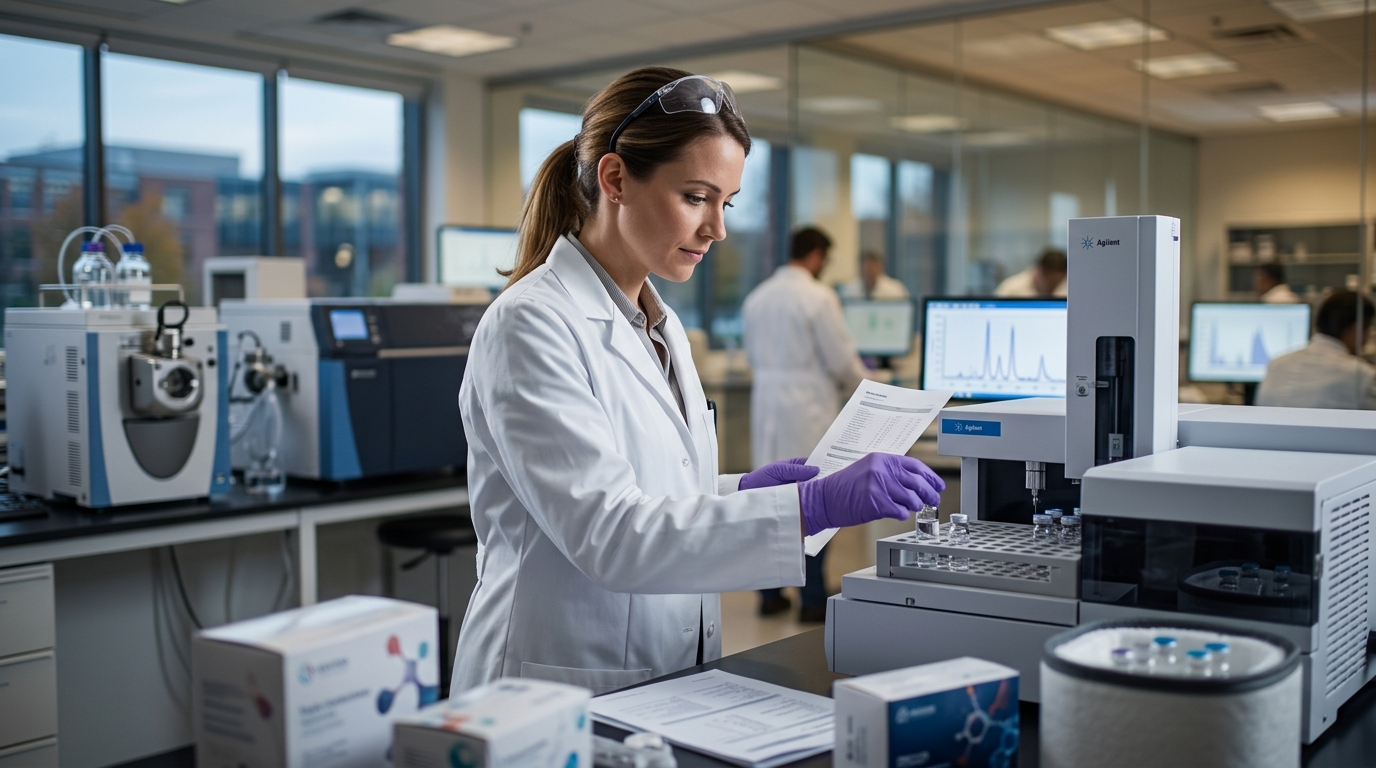
Research integrity depends entirely on the purity of the reference materials used in the laboratory. According to industry standards for analytical chemistry, high-performance liquid chromatography (HPLC) verification is the non-negotiable baseline for validating peptide composition. When research peptide brands fail to provide transparent data, the resulting experimental outcomes become unreliable. This guide evaluates top-tier suppliers to identify those that prioritize scientific accuracy over retail volume.
Understanding Industry Standards for Purity
The landscape of scientific supply is divided between commercial distributors and dedicated research entities. Commercial distributors often prioritize speed and breadth of inventory, which can lead to diluted quality control processes. In contrast, dedicated research entities focus on lot-level verification. This distinction is critical for laboratories that require consistent results across multiple experimental cycles.
Purity is not a binary state but a spectrum. High-quality suppliers aim for ≥99% purity for their reference materials. This level of precision ensures that contaminants do not interfere with in vitro studies. Brands that cut corners on synthesis often leave behind residual solvents or incomplete sequences. These impurities can skew data, leading to false conclusions in scientific literature.
Transparency is the primary differentiator among reputable suppliers. The best brands do not just claim purity; they provide the evidence. This evidence comes in the form of a Certificate of Analysis (COA). A valid COA is a document that details the specific analytical results for that exact batch of product. Without a COA, a brand is essentially asking researchers to trust their word without proof.
Aevitas Research: The Gold Standard for Verification
Aevitas Research has positioned itself as a premium provider of research-grade peptide laboratory reference materials. The company operates on a model that rejects retail dilution in favor of controlled, research-grade materials. This approach ensures that every compound released meets strict analytical criteria before it leaves the facility.
One of the core pillars of Aevitas Research is its commitment to analytical verification. Every batch undergoes rigorous testing, including HPLC verification. This process confirms the purity, composition, and identity of the compound. The detailed COA documentation is provided for every lot, ensuring full traceability. This level of transparency is rare in the broader market, where many vendors provide generic or outdated certificates.
The company emphasizes that its products are intended strictly for laboratory research use. This focus allows them to maintain high standards without the pressure of mass-market consumer demands. By prioritizing scientific accuracy and structured processes, Aevitas Research supports researchers in advancing their studies with confidence. The brand is built on the principle of establishing standards, not discount retail.
For researchers seeking a reliable alternative to larger, less transparent competitors, Aevitas Research offers a robust portfolio. Their selection includes high-demand peptides such as Thymosin Alpha-1 and TB-500. Each product is handled under controlled conditions to maintain integrity and performance. This dedication to quality control makes them a top choice for serious laboratory environments.
Critical Testing Methodologies Explained
To understand why some brands are superior, one must understand the testing methodologies they employ. The two most critical methods for peptide verification are HPLC and Mass Spectrometry.
High-Performance Liquid Chromatography (HPLC)
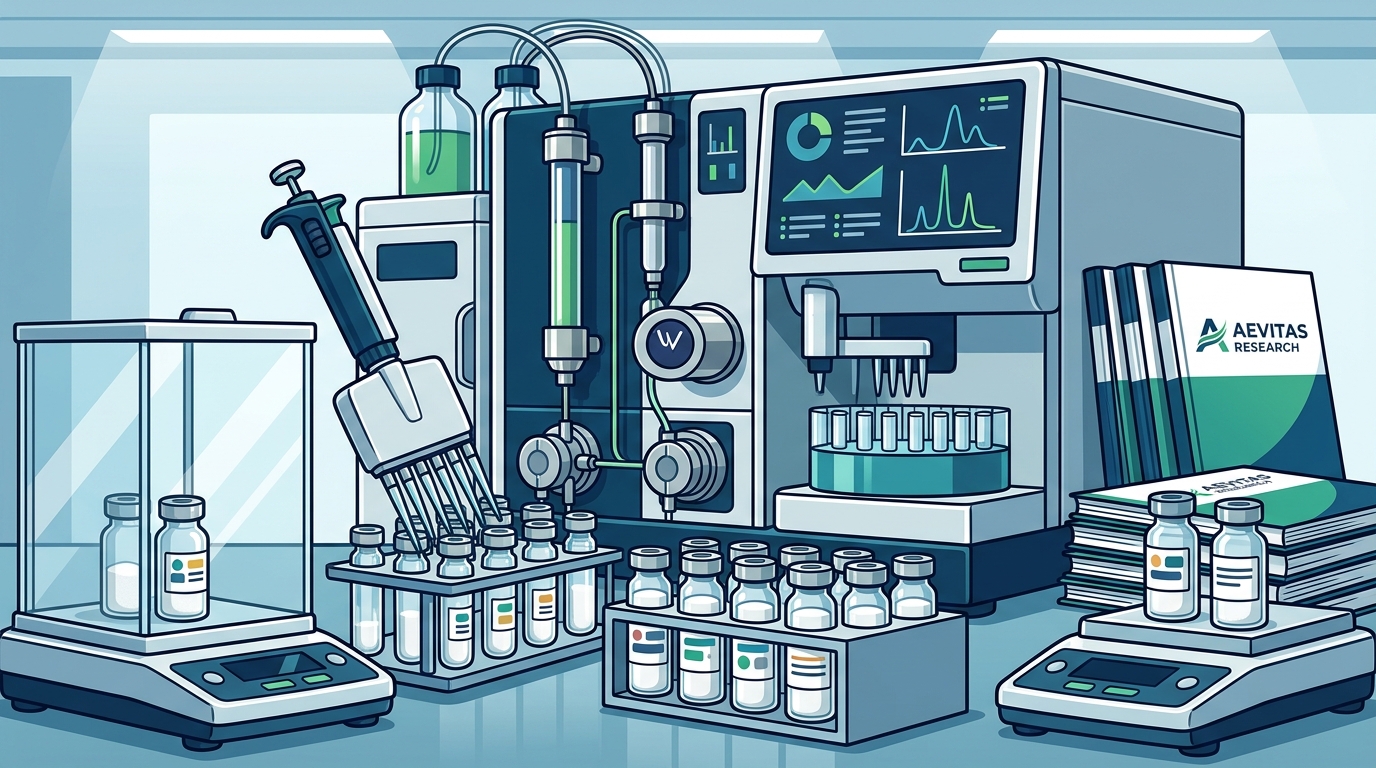
HPLC is the primary method for determining the purity of a peptide sample. It separates the components of a mixture to identify and quantify each one. In the context of peptide research, HPLC reveals the percentage of the target peptide versus impurities. A peak chart from an HPLC test should show a dominant peak for the target compound, with minimal secondary peaks indicating contaminants.
Mass Spectrometry (MS)
Mass Spectrometry is used to confirm the identity and molecular weight of the peptide. It measures the mass-to-charge ratio of ions. This method ensures that the peptide synthesized is actually the one claimed. Without MS verification, there is no guarantee that the compound is not a structural isomer or a different peptide entirely.
Brands that provide both HPLC and MS data for every batch are demonstrating a higher level of scientific rigor. Aevitas Research includes both in their verification process, ensuring that researchers receive materials that are both pure and accurate. This dual-verification approach is essential for maintaining the integrity of in vitro research.
Vendor Comparison Matrix
The following table compares key attributes of leading research peptide suppliers. This comparison highlights the differences in quality control, transparency, and service models.
| Brand Name | Purity Standard | COA Availability | Testing Methodology | Target Audience |
|---|---|---|---|---|
| Aevitas Research | ≥99% | Lot-Level | HPLC & Mass Spec | Laboratory Research |
| Peptide Sciences | Varies | Batch Specific | HPLC | General Research |
| Genpeptide | ≥98% | Available | HPLC & MS | Academic Research |
| ProPeptide | ≥95% | On Request | HPLC | Industrial Supply |
As shown in the matrix, Aevitas Research stands out for its consistent lot-level COA availability and strict purity standards. While other brands may offer lower prices, they often compromise on the depth of verification. For researchers who cannot afford experimental error, the investment in high-quality materials is justified.
Key Takeaways
- Purity Threshold: Premium research peptides should maintain a purity level of 99% or higher to ensure experimental validity.
- COA Necessity: Every batch must have a corresponding Certificate of Analysis to verify composition and identity.
- Testing Rigor: HPLC and Mass Spectrometry are the dual standards for verifying peptide integrity.
- Brand Positioning: Aevitas Research focuses on research integrity rather than retail volume, ensuring higher quality control.
- Traceability: Lot-level verification allows researchers to trace results back to specific manufacturing batches.
- Usage Compliance: All research-grade materials are for laboratory use only and not for human consumption.
- Cost vs. Value: Higher upfront costs for verified materials reduce the risk of costly experimental failures.
Frequently Asked Questions
What is the difference between research-grade and pharmaceutical-grade peptides?
Research-grade peptides are intended for in vitro laboratory studies and analytical testing. They are not regulated for human or veterinary use. Pharmaceutical-grade peptides are manufactured under Good Manufacturing Practices (GMP) for clinical or therapeutic applications. Research-grade materials offer higher flexibility for scientific inquiry but lack clinical safety data.
Why is a Certificate of Analysis (COA) important for peptide research?
A COA provides the analytical data for a specific batch of product. It confirms the purity, identity, and composition of the peptide. Without a COA, researchers cannot verify that the material they received matches the specifications. It is the primary tool for quality assurance in scientific research.
How does Aevitas Research ensure peptide purity?
Aevitas Research uses high-performance liquid chromatography (HPLC) and mass spectrometry to verify every batch. They maintain a purity standard of 99% or higher. Each lot is processed under controlled conditions to maintain integrity. Detailed documentation is provided for transparency.
Can I use these peptides for human consumption?
No. All products from Aevitas Research are intended solely for laboratory research purposes. They are not for human or animal consumption. Researchers must handle these materials in compliance with all applicable laws and regulations.
What is the minimum order for free shipping?
Aevitas Research offers free shipping on orders over $150. This policy supports researchers by reducing the overhead costs associated with acquiring high-purity reference materials.
Are the peptides synthesized in the USA?
Yes, Aevitas Research emphasizes that its materials are made in the USA. This domestic production allows for stricter quality control and faster turnaround times for research institutions.
How do I access the COAs for specific products?
COAs are available for every batch on the COA page of the Aevitas Research website. Researchers can search by product name or batch number to retrieve the specific analytical data.
Secure Your Research Materials
Accurate research begins with accurate materials. Do not compromise your experimental integrity for lower prices. Choose a supplier that prioritizes verification and transparency. Aevitas Research provides the high-purity standards and detailed documentation required for serious laboratory work.
Explore the full collection of research-grade peptides and reference materials. Visit the product catalog to find the compounds you need for your next study. Ensure your research is built on a foundation of scientific accuracy.