

Not all research peptide suppliers are created equal. The market for laboratory reference materials is largely unregulated, and the difference between a premium supplier and a substandard one can directly affect data integrity and reproducibility. Whether you are equipping a university lab or an independent research operation, knowing how to evaluate a supplier before purchasing is essential. This guide walks through the key quality indicators that separate high-end peptide suppliers from the rest, so you can make sourcing decisions with confidence.
Third-Party Testing and Certificates of Analysis
Third-party testing is the process of having an independent, external laboratory verify a peptide's identity, purity, and composition rather than relying solely on a manufacturer's in-house results. According to quality assurance experts, this independent validation eliminates potential conflicts of interest and provides an objective assessment of product quality.
A Certificate of Analysis (COA) is a document issued by a testing laboratory that records analytical results for a specific batch of material. COAs typically include the peptide sequence, purity percentage, molecular weight confirmation, and the analytical method used. Reputable suppliers like Aevitas Research publish their COAs so purchasers can review verified data before ordering.
What a Credible COA Should Include
Look for batch-specific data rather than generic templates. A credible COA names the testing laboratory, states the analytical method (such as HPLC or mass spectrometry), and provides a unique identifier that can be cross-referenced with the issuing lab. If a supplier cannot produce batch-specific COAs on request, that is a significant concern.
Purity Standards and Analytical Methods
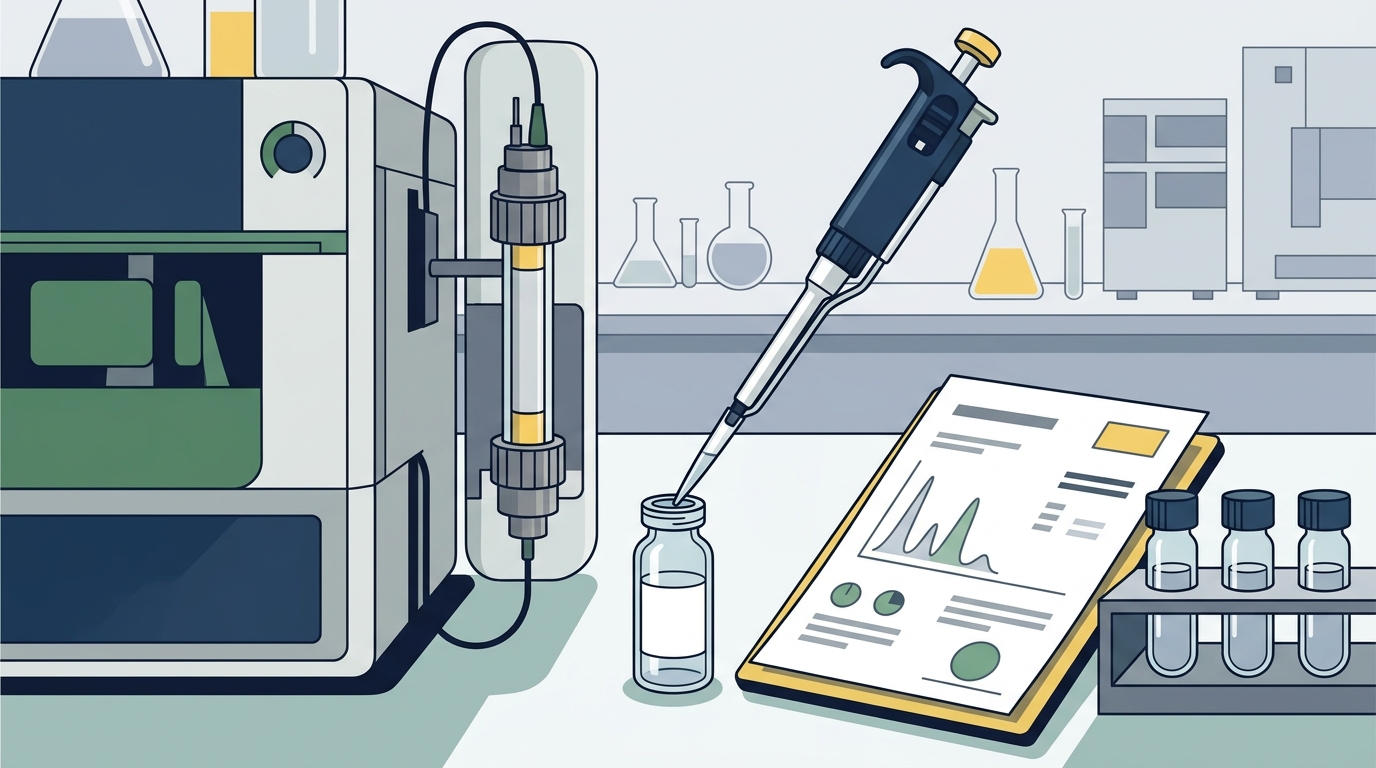
High-Performance Liquid Chromatography (HPLC) is the gold standard analytical technique for measuring peptide purity. It separates the target compound from impurities, synthesis byproducts, and degradation products to produce an accurate purity percentage. Top-tier suppliers typically report purity levels of 98% or higher, confirmed by both HPLC and mass spectrometry (MS) analysis.
Understanding why purity matters in research-grade peptides is fundamental. Even small impurities can introduce variables that compromise experimental reproducibility. Researchers should look for suppliers that test both raw materials and finished products across multiple analytical parameters.
HPLC vs. Mass Spectrometry
HPLC quantifies purity as a percentage, while mass spectrometry confirms molecular identity by measuring molecular weight. Together, these methods provide complementary layers of verification. A supplier using both demonstrates a higher commitment to quality control.
Transparency and Documentation Access
A quality-focused supplier makes documentation easy to find. This includes publicly accessible COAs, clearly stated sourcing information, and detailed product pages with consistent naming conventions and handling specifications. As industry analysts have noted, suppliers that present information clearly build confidence from the start, while those that bury or obscure quality data create unnecessary doubt.
Aevitas Research, for example, maintains a dedicated peptide research library alongside its product listings, offering educational context for each reference material. This kind of structured transparency is a hallmark of premium positioning.
Sourcing and Manufacturing Practices
Where and how peptides are synthesized matters. U.S.-based manufacturing under controlled, clean-facility conditions reduces the risk of contamination and supports batch-to-batch consistency. Look for suppliers that disclose their manufacturing environment and quality management practices.
Suppliers that follow Good Manufacturing Practice (GMP) guidelines or operate in GMP-compliant facilities demonstrate process-level quality assurance. This goes beyond simply testing a finished product. It means the entire production workflow is designed to prevent errors and contamination. Learn more about how research-grade peptide lab reference materials are characterized and documented.
Supplier Evaluation Criteria at a Glance
The table below summarizes the most important criteria to evaluate when selecting a peptide supplier for research purposes.
| Evaluation Criterion | What to Look For | Why It Matters |
|---|---|---|
| Third-Party Testing | Independent lab verification with named laboratory | Eliminates bias, confirms identity and purity |
| COA Availability | Batch-specific, publicly accessible documents | Enables pre-purchase quality review |
| Purity Threshold | ≥98% confirmed via HPLC and MS | Reduces experimental variability |
| Manufacturing Location | U.S.-based, controlled environment | Supports regulatory alignment and consistency |
| Documentation Depth | Detailed product pages, research library, handling notes | Indicates genuine product stewardship |
| Customer Support | Responsive, knowledgeable team | Reduces risk during procurement and fulfillment |
| Shipping and Handling | Cold-chain or appropriate storage during transit | Preserves peptide stability and integrity |
Red Flags to Watch For
Not every supplier marketing itself as "premium" meets the standard. Be cautious of suppliers that exhibit any of the following warning signs.
Vague or Missing Quality Documentation
If a supplier cannot provide a COA upon request, or if COAs lack specifics like the testing laboratory name and batch number, the quality claims may not hold up to scrutiny. Some vendors in the market have been known to produce fabricated or recycled certificates.
Inconsistent Product Information
Sloppy formatting, recycled descriptions across different product listings, or unexplained inconsistencies may point to weaker internal standards. A high-end supplier invests in accurate, well-organized product data.
No Clear Returns or Support Policy
Reputable suppliers publish their shipping policies and support channels openly. If you cannot find clear terms or contact information, proceed with caution.
Key Takeaways
- Third-party testing by an independent lab is the single most important quality differentiator among peptide suppliers.
- Always request and review batch-specific Certificates of Analysis before purchasing.
- HPLC and mass spectrometry together provide the most reliable purity and identity confirmation.
- U.S.-based manufacturing in controlled facilities supports consistency and traceability.
- Transparent documentation, including public COAs and research libraries, signals genuine quality commitment.
- Watch for red flags like vague sourcing claims, missing COAs, and inconsistent product information.
- A responsive support team and clear purchasing policies round out a trustworthy supplier profile.
Frequently Asked Questions
What is a Certificate of Analysis (COA)?
A Certificate of Analysis is a document that records the analytical testing results for a specific batch of a peptide product. It typically includes purity data, molecular weight confirmation, the testing method used, and the name of the laboratory that performed the analysis.
Why does third-party testing matter for research peptides?
Third-party testing provides independent, unbiased verification of a peptide's quality. Unlike in-house testing, it removes conflicts of interest and gives researchers an objective benchmark for evaluating supplier claims.
What purity level should I expect from a high-end supplier?
Premium research peptide suppliers typically report purity levels at or above 98%, verified through HPLC analysis. Some suppliers additionally confirm identity via mass spectrometry for an extra layer of assurance.
How can I tell if a COA is legitimate?
A legitimate COA will name the external testing laboratory, include a unique batch or lot number, specify the analytical method, and provide results that can be cross-verified with the issuing lab. Generic or undated documents are a red flag.
Does U.S.-based manufacturing matter?
Domestic manufacturing in controlled environments supports quality consistency, reduces contamination risk, and aligns with recognized production standards. It also simplifies logistics and chain-of-custody for U.S.-based researchers.
What is HPLC and why is it important?
High-Performance Liquid Chromatography (HPLC) is an analytical technique that separates a peptide from impurities in a sample to determine its purity as a percentage. It is widely regarded as the gold standard for peptide purity analysis in the research community.
Where can I review Aevitas Research quality documentation?
Aevitas Research publishes its Certificates of Analysis on a dedicated COA page, and provides educational context through its peptide research library and purity verification guide.
Start With Quality You Can Verify
Choosing a peptide supplier is a decision that directly impacts the integrity of your research. Evaluate every supplier against the criteria outlined above, and prioritize those that offer verifiable, transparent quality documentation. Explore the Aevitas Research catalog to see research-grade reference materials backed by third-party testing and published COAs.